-
 [email protected]
-
 +86-13605711675
[email protected]
+86-13605711675

A worm gear speed reducer is a critical mechanical component widely used in industrial transmission systems where high reduction ratios, compact structure, and smooth operation are required. From material handling equipment to automation lines and lifting mechanisms, this type of reducer plays a key role in controlling speed, increasing torque, and ensuring stable power transmission.
However, the long-term reliability and efficiency of a worm gear speed reducer depend heavily on proper and systematic maintenance. Inadequate maintenance can lead to accelerated wear, reduced transmission efficiency, abnormal noise, overheating, and even catastrophic failure. On the other hand, a well-maintained reducer can operate smoothly for years, delivering consistent performance while minimizing downtime and operating costs.
Before discussing maintenance, it is essential to understand the basic structure and operating characteristics of a worm gear speed reducer. This understanding directly informs why certain maintenance tasks are necessary and how they should be performed.
A typical worm gear speed reducer consists of the following core components:
The reducer operates by transferring motion from the worm shaft to the worm gear through sliding contact. Unlike spur or helical gears, worm gear transmission involves a high degree of sliding friction rather than rolling contact. This characteristic allows for high reduction ratios and self-locking capabilities but also results in greater heat generation and sensitivity to lubrication quality.
From a maintenance perspective, the sliding contact between the worm and the gear makes lubrication management, temperature control, and wear monitoring especially important.
Maintenance of a worm gear speed reducer is not limited to fixing problems after they occur. Instead, it should aim to achieve several long-term objectives:
All maintenance activities should be aligned with these objectives, ensuring that each inspection or adjustment serves a clear functional purpose.
Regular visual inspection is the simplest yet most effective maintenance activity. It should be performed frequently, especially in continuous-operation environments.
Key inspection points include:
Early detection of these issues allows corrective action before internal damage occurs.
During operation, attention should be paid to:
Any deviation from normal operating conditions often indicates internal wear, lubrication issues, or alignment problems. Operators should be trained to recognize these signs and report them promptly.
Lubrication is the most critical maintenance aspect for a worm gear speed reducer due to the sliding nature of gear engagement.
Effective lubrication serves multiple functions:
Insufficient or degraded lubricant can quickly lead to gear tooth damage and bearing failure.
Although specific lubricant types depend on operating conditions, general selection principles include:
Using unsuitable lubricants can reduce efficiency and accelerate wear, even if oil levels appear sufficient.
Oil level should be checked regularly according to the reducer’s installation orientation. Both under-lubrication and over-lubrication can be harmful.
Oil quality inspection should focus on:
If contamination or degradation is observed, oil replacement should be performed immediately.
The table below summarizes typical lubrication-related maintenance tasks for a worm gear speed reducer:
| Maintenance Item | Purpose | Recommended Frequency |
|---|---|---|
| Oil level check | Ensure adequate lubrication | Weekly or monthly |
| Oil quality inspection | Detect contamination or degradation | Quarterly |
| Oil replacement | Restore lubrication performance | Based on operating hours |
| Breather inspection | Prevent pressure buildup and contamination | Semi-annually |
This structured approach helps standardize lubrication maintenance and reduces the risk of oversight.
Bearings support both the worm shaft and the output shaft, making them essential to smooth operation and load stability.
Typical bearing-related problems include:
These issues often manifest as increased noise, vibration, or temperature.
Bearing maintenance should focus on:
If bearings show signs of pitting, discoloration, or rough rotation, replacement should be scheduled promptly to prevent secondary damage.
Unlike other gear types, worm gear teeth experience continuous sliding contact. As a result, wear patterns are different and require specific attention.
Common wear indicators include:
Gradual wear is normal, but accelerated wear often indicates lubrication or alignment issues.
Gear wear can be monitored through:
Timely identification of abnormal wear allows adjustments before performance degradation becomes severe.
Seals prevent lubricant leakage and block external contaminants such as dust and moisture. Their condition directly affects lubrication effectiveness.
Seal-related maintenance includes:
Housing maintenance involves keeping surfaces clean and ensuring proper ventilation through breathers or vents.
Proper alignment between the reducer and connected equipment is essential for long-term reliability.
Misalignment can cause:
Even small alignment errors can significantly shorten service life.
Periodic checks should verify:
Correcting alignment issues early reduces cumulative mechanical stress.
Due to sliding friction, a worm gear speed reducer naturally generates more heat than other reducer types. Excessive heat accelerates oil degradation and component wear.
Maintenance plans should account for:
In harsh environments, maintenance intervals should be shortened, and protective measures such as improved sealing or cooling may be required.
A structured preventive maintenance plan is essential for managing multiple reducers across an industrial facility.
An effective plan should include:
Preventive maintenance reduces unexpected failures and supports predictable operation.
Even experienced personnel may encounter maintenance pitfalls. Common mistakes include:
Avoiding these errors contributes significantly to reducer longevity.
Maintaining a worm gear speed reducer requires a balanced approach that combines routine inspection, disciplined lubrication management, careful monitoring of wear and temperature, and attention to installation and environmental factors. Because of the unique sliding contact characteristics of worm gear transmission, maintenance priorities differ from those of other gear reducer types.
By implementing structured preventive maintenance practices and addressing small issues before they escalate, operators can significantly extend service life, maintain stable performance, and reduce overall operating costs. Ultimately, effective maintenance is not just a technical necessity but a strategic investment in equipment reliability and production continuity.
Lubrication frequency depends on operating hours, load, and environment. Regular oil level checks and periodic oil replacement based on condition monitoring are recommended.
Common signs include abnormal noise, increased vibration, overheating, oil leakage, and reduced transmission efficiency.
Yes. Over-lubrication can cause excessive heat buildup, oil foaming, and seal damage, negatively affecting performance.
Excessive temperature accelerates lubricant degradation and component wear, making temperature a key indicator of operating health.
Preventive maintenance is generally more effective because it reduces unexpected failures, extends service life, and lowers long-term maintenance costs.
1. What is an NRV Worm Gear Reducer? The NRV worm gear speed reducer is a widely used mechanical device...
View MoreIn the stage of modern industrial precision transmission, Worm Gear Machine Screw Lift has become the cor...
View MoreWhat is worm gear speed reducer A worm gear speed reducer is a reduction transmission device composed of ...
View More1. Introduction to Worm Gear Speed Reducers A worm gear speed reducer is a specialized type of gearbox de...
View More
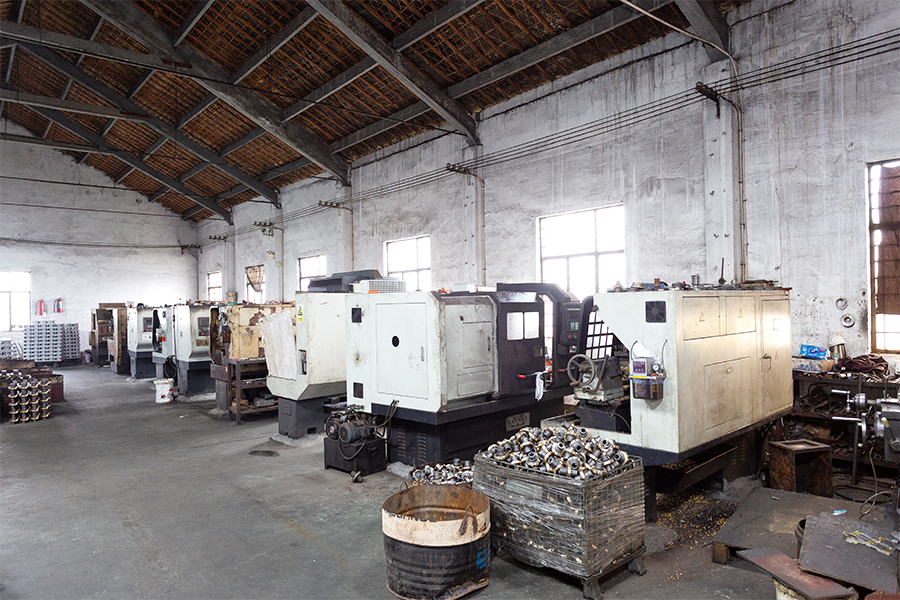
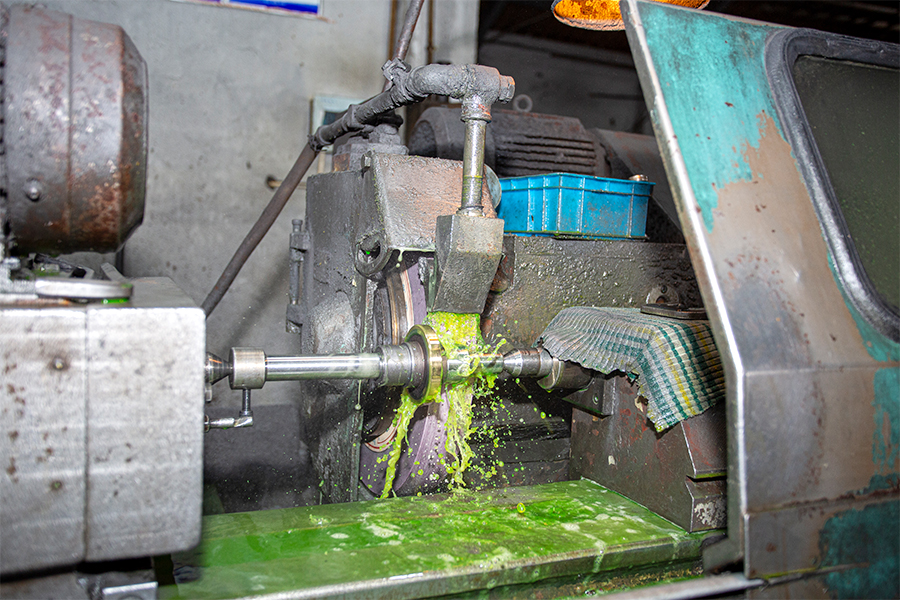
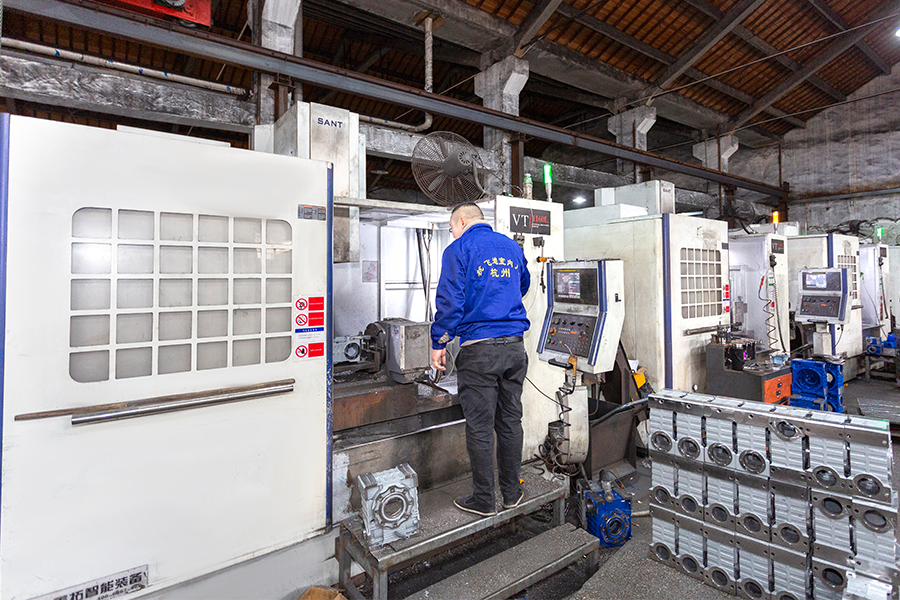
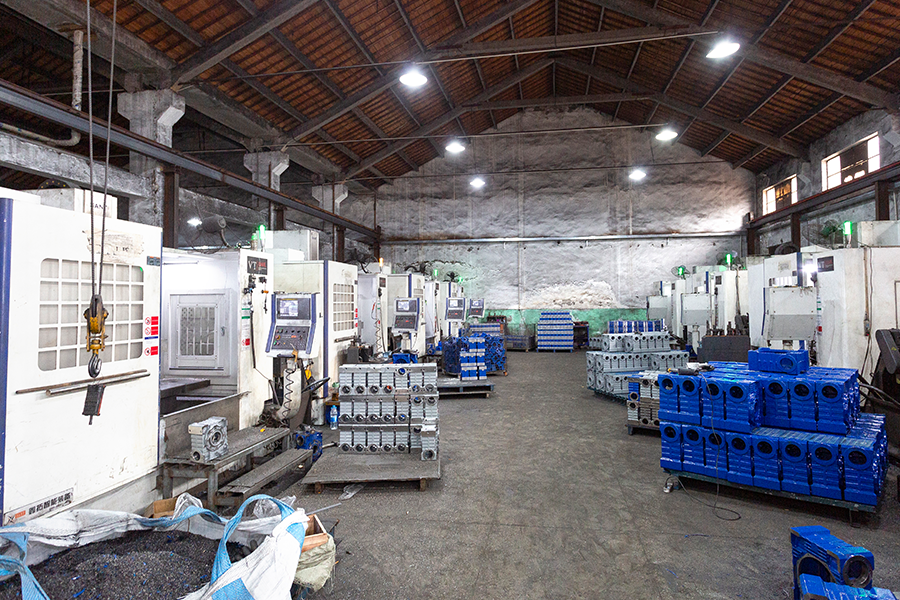
We value your suggestions and questions. If you have any questions about our products and services, please contact us. We will treat you responsibly and reply to your information as soon as possible.




 English
 русский
