-
 [email protected]
-
 +86-13605711675
[email protected]
+86-13605711675

In modern industrial environments, transmission systems are expected to deliver precise motion control, stable torque output, and reliable long-term operation under varying loads. Among the many mechanical solutions available, worm gearboxes have maintained a distinct position due to their compact structure, smooth operation, and inherent speed reduction capability.
A worm gearbox is a mechanical power transmission device that converts rotational motion and torque between non-parallel, non-intersecting shafts—typically arranged at a 90-degree angle. In industrial applications, worm gearboxes transmission systems are widely used where space efficiency, controlled motion, and self-locking behavior are critical.
A worm gearbox consists of two primary components: a worm (screw-like shaft) and a worm wheel (gear). When the worm rotates, it drives the worm wheel through sliding contact between their mating surfaces. This interaction results in high reduction ratios within a single transmission stage.
Unlike spur or helical gear systems, worm gearboxes operate with significant sliding friction rather than rolling contact. While this leads to lower mechanical efficiency, it also enables smooth motion, noise reduction, and excellent load-holding capabilities.
| Characteristic | Description |
|---|---|
| Shaft orientation | Non-parallel, typically 90 degrees |
| Speed reduction | High ratios achievable in one stage |
| Motion behavior | Smooth, stable, low vibration |
| Load holding | Self-locking possible under certain conditions |
| Structural design | Compact and space-saving |
These characteristics define why worm gearboxes transmission systems are selected for specific industrial requirements rather than general-purpose power transmission.
Industrial transmission systems are not designed with a single objective. Engineers must balance torque, speed, space constraints, safety, and long-term reliability. Worm gearboxes meet several of these demands simultaneously.
One of the primary advantages of worm gearboxes is their ability to deliver high speed reduction ratios in a compact form. This is particularly important in industrial machinery where installation space is limited or where vertical mounting is required.
Because worm gearboxes can achieve large reductions in a single stage, they eliminate the need for multi-stage gear trains, simplifying system architecture and reducing alignment complexity.
Worm gearboxes transmission systems provide exceptionally smooth output motion. This makes them suitable for applications where sudden speed changes or mechanical shock could damage equipment or compromise process accuracy.
The sliding engagement between the worm and wheel helps dampen vibration, resulting in quieter operation compared to many other gear types. In industrial settings where noise control and operational stability matter, this becomes a decisive factor.
One of the most distinctive features of worm gearboxes is their potential for self-locking behavior. Under certain gear ratios and friction conditions, the worm wheel cannot drive the worm shaft in reverse.
This characteristic is highly valuable in industrial transmission systems that involve vertical loads or positioning tasks.
Self-locking reduces the need for additional braking mechanisms, particularly in:
However, it is important to note that self-locking is not guaranteed in all worm gearboxes. The actual behavior depends on gear geometry, materials, lubrication, and load conditions.
Worm gearboxes transmission systems are not universal solutions; they are chosen deliberately for applications that match their strengths.
These applications benefit from the gearbox’s ability to maintain consistent output speed and torque while operating reliably over extended duty cycles.
While worm gearboxes offer many advantages, their performance characteristics must be carefully evaluated during system design.
Because worm gearboxes rely on sliding friction, their efficiency is generally lower than that of spur or helical gear systems. This friction leads to heat generation, which must be managed through proper lubrication and housing design.
In industrial transmission systems where continuous operation is expected, thermal management becomes an important design consideration.
Worm gearboxes are well-suited for moderate loads and steady operation. However, excessive shock loads or frequent reversals can accelerate wear due to sliding contact between gear surfaces.
Proper material selection, surface treatment, and lubrication strategy play a critical role in extending service life.
Material pairing is a defining factor in worm gear performance. Typically, the worm is manufactured from hardened steel, while the worm wheel is made from softer materials such as bronze alloys. This combination reduces friction and minimizes wear.
| Component | Common Material | Purpose |
|---|---|---|
| Worm shaft | Hardened steel | Strength and wear resistance |
| Worm wheel | Bronze alloy | Reduced friction and smooth engagement |
| Housing | Cast iron or aluminum | Structural stability and heat dissipation |
The housing design also affects rigidity, noise suppression, and ease of installation within industrial transmission systems.
As industrial automation advances, worm gearboxes continue to evolve in design and application.
Worm gearboxes transmission systems integrate effectively with electric motors, particularly where speed reduction and torque multiplication are required without increasing system complexity.
Their ability to mount motors in various orientations makes them adaptable to automated machinery layouts and modular equipment designs.
Worm gearboxes are generally simple in structure, which contributes to predictable maintenance requirements. With proper lubrication and alignment, they can operate reliably over long periods without frequent intervention.
Routine inspection focuses on lubricant condition, seal integrity, and operating temperature—key indicators of long-term gearbox health.
A balanced evaluation of worm gearboxes requires acknowledging both their strengths and limitations.
Understanding these trade-offs ensures that worm gearboxes transmission systems are applied where they deliver maximum value.
Q1: What makes worm gearboxes suitable for industrial transmission systems?
Worm gearboxes offer compact speed reduction, smooth operation, and potential self-locking behavior, making them suitable for controlled industrial motion and positioning applications.
Q2: Are worm gearboxes efficient compared to other gear types?
They generally have lower efficiency due to sliding friction, but this trade-off enables smoother motion and simpler mechanical design.
Q3: Can worm gearboxes handle continuous industrial operation?
Yes, when properly lubricated and thermally managed, worm gearboxes can operate continuously in industrial environments.
Q4: Is self-locking always guaranteed in worm gearboxes transmission systems?
No, self-locking depends on gear ratio, materials, and friction conditions. It should be evaluated during system design.
Q5: What industries commonly use worm gearboxes?
They are widely used in material handling, automation, packaging, conveyors, and industrial control systems.
1. What is an NRV Worm Gear Reducer? The NRV worm gear speed reducer is a widely used mechanical device...
View MoreIn the stage of modern industrial precision transmission, Worm Gear Machine Screw Lift has become the cor...
View MoreWhat is worm gear speed reducer A worm gear speed reducer is a reduction transmission device composed of ...
View More1. Introduction to Worm Gear Speed Reducers A worm gear speed reducer is a specialized type of gearbox de...
View More
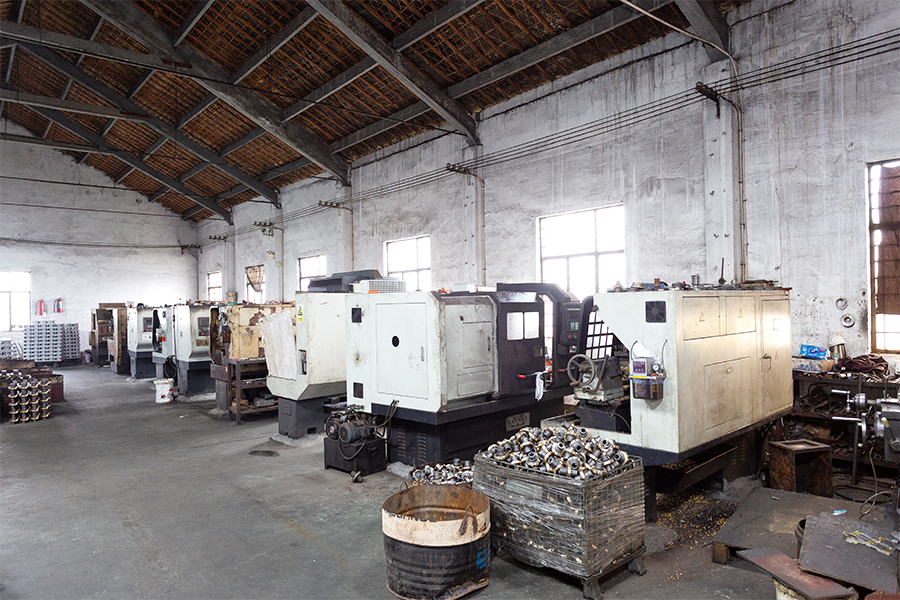
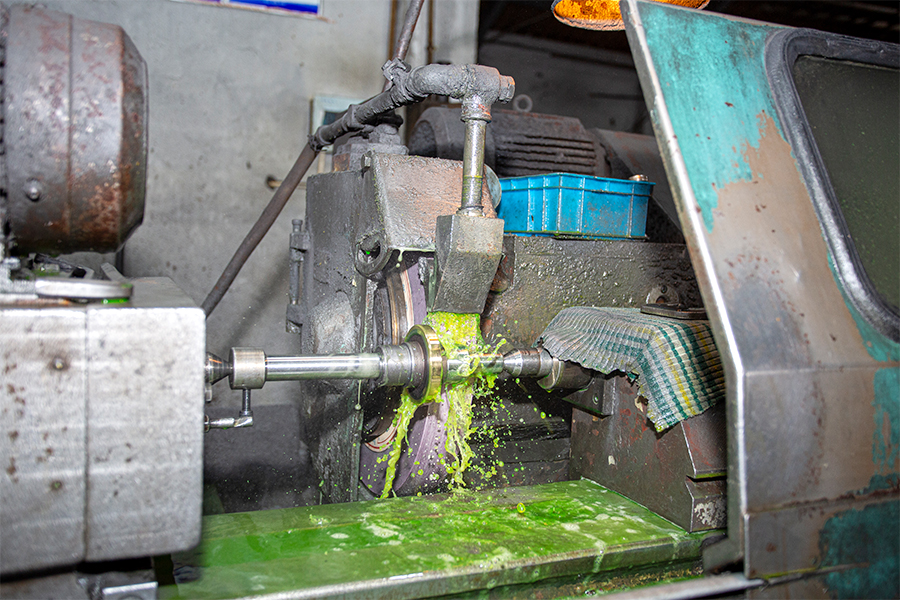
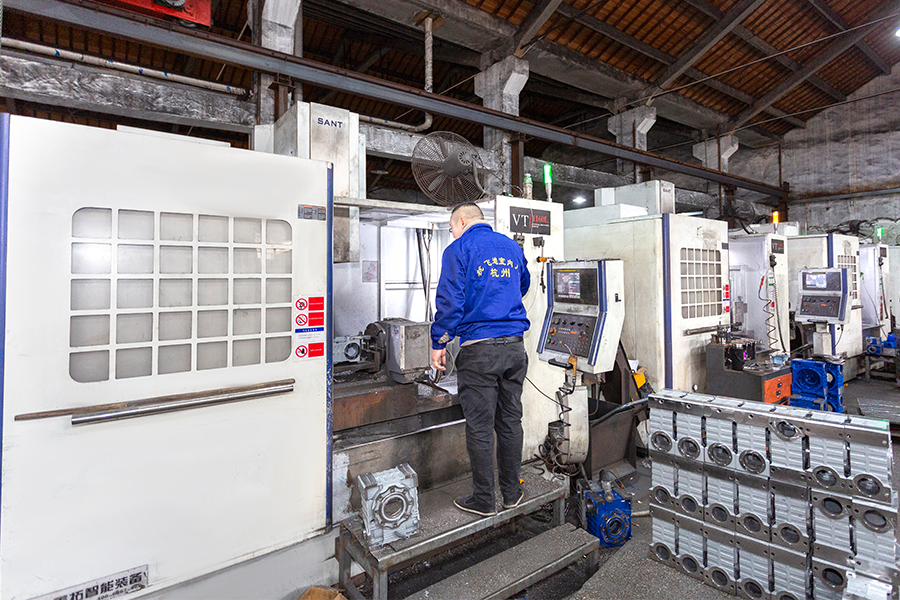
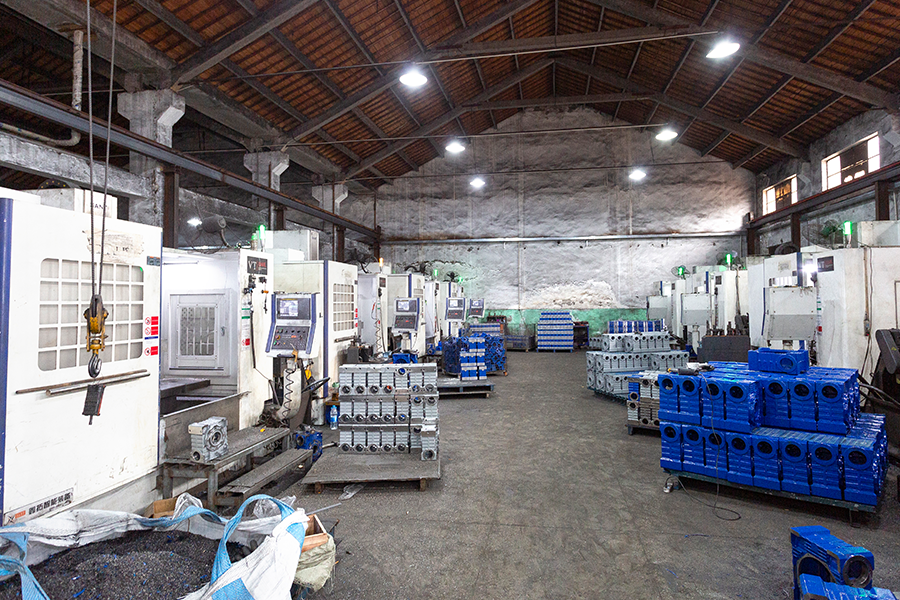
We value your suggestions and questions. If you have any questions about our products and services, please contact us. We will treat you responsibly and reply to your information as soon as possible.




 English
 русский
