[email protected]
+86-13605711675
Worm gear screw lifts are essential mechanical components used in various industries to provide controlled vertical lifting of heavy loads. These devices rely on a combination of a worm gear and a screw mechanism to achieve precise motion. Over time, these machines undergo wear and tear that can affect their performance, reliability, and service life. Proper maintenance is crucial to ensuring that these devices continue to function optimally, minimizing downtime, and enhancing their overall longevity.
In this article, we will explore the role of maintenance in the performance and lifespan of worm gear screw lifts. We will cover essential maintenance practices, common issues, and practical tips that can help extend the life of your worm gear machine screw jacks. Whether you are an operator, technician, or maintenance manager, understanding the impact of maintenance on worm gear screw lifts is vital for keeping your equipment in top condition.
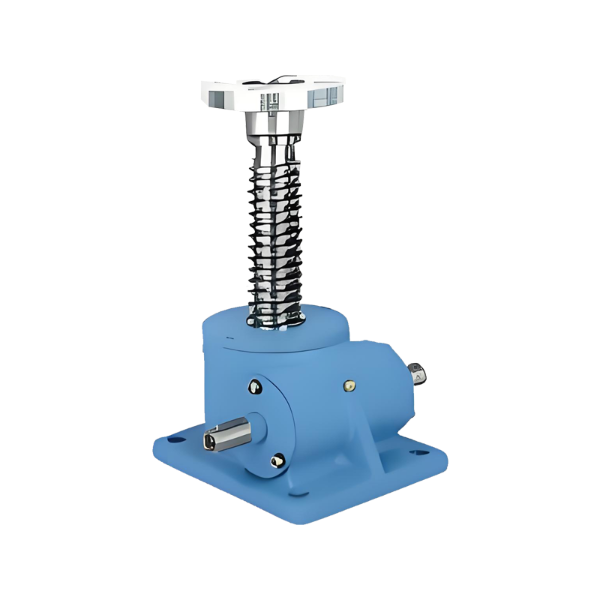
A worm gear screw lift consists of a worm gear and a threaded screw mechanism, which works together to convert rotational motion into linear motion. This type of lift is widely used in applications such as material handling, heavy machinery, and stage equipment, where precise control of heavy loads is needed.
Due to its high torque and compact design, the worm gear screw lift is well-suited for applications requiring heavy lifting with limited space. However, without proper maintenance, the performance of these lifts can deteriorate over time.
The worm gear screw lift is subjected to constant friction between its gears and moving parts. Over time, this friction can cause wear on the threads of the screw, the teeth of the worm gear, and other moving parts. If these components are not properly lubricated or maintained, they can degrade, causing the lift to lose its efficiency and precision.
Key Maintenance Task: Regularly inspect the internal components for signs of wear, and lubricate the gears and screw threads with the appropriate type of lubricant.
Exposure to moisture, dirt, and other environmental factors can cause the metal components of the worm gear machine screw jacks to corrode. Corrosion can severely damage the gears and reduce the machine’s lifting capacity.
Key Maintenance Task: Ensure that the screw lift is kept clean and dry, and apply rust inhibitors to metal components as needed. Regularly check for signs of corrosion and address any issues promptly.
One of the most critical aspects of worm gear screw lift maintenance is lubrication. Adequate lubrication reduces friction and wear on the moving parts, allowing the lift to operate smoothly. Without proper lubrication, the components can overheat, leading to further damage.
Key Maintenance Task: Use the correct lubricant for the specific type of worm gear screw lift. Regularly check lubricant levels and replace it as recommended by the manufacturer.
Regular inspections are essential to identify potential issues before they cause major problems. During these inspections, technicians should check for proper alignment, wear, and any abnormal noises that may indicate a malfunction.
Key Maintenance Task: Conduct visual and functional inspections every 3-6 months, depending on the frequency of use. Make any necessary adjustments to the alignment of the gears, and check the condition of the lifting screw and bearings.
Dirt, dust, and other debris can accumulate in the worm gear machine screw jacks over time, causing the components to become clogged or misaligned. This buildup can reduce the efficiency of the lift and cause it to struggle under heavy loads.
Key Maintenance Task: Regularly clean the lift mechanism to remove any dust, dirt, or debris. Use a soft cloth and non-abrasive cleaning solution to wipe down the external parts of the lift.
The frequency of maintenance depends on several factors, including the environment in which the worm gear screw lift is used, the load capacity, and the frequency of operation. However, as a general rule:
For applications that involve high environmental exposure, such as outdoor or corrosive environments, more frequent maintenance may be necessary.
Loss of Lifting Capacity: As the worm gear and screw threads wear out, the lifting capacity of the screw lift diminishes, causing it to struggle with heavy loads.
Overheating: Lack of proper lubrication can cause the components to overheat, potentially leading to a system failure.
Increased Noise and Vibration: Worn or misaligned components can create increased noise and vibration during operation.
Sluggish Operation: Without regular cleaning and lubrication, the screw lift may operate more slowly, reducing overall efficiency.
| Maintenance Task | Frequency | Action |
|---|---|---|
| Inspect internal components | Every 3-6 months | Check for wear, damage, and proper alignment |
| Lubricate gears and screw threads | Every 3-6 months | Use recommended lubricants and check lubrication levels |
| Clean the lift mechanism | Every 3 months or as needed | Remove dust, dirt, and debris from external components |
| Apply rust inhibitors | Every 6 months | Use on exposed metal parts to prevent corrosion |
| Check for signs of overheating | Every 3-6 months | Ensure adequate ventilation and lubrication |
Maintaining a worm gear screw lift is not just about keeping it operational—it’s about ensuring that it performs efficiently and reliably over the long term. By regularly inspecting, cleaning, lubricating, and addressing any signs of wear or damage, operators can significantly extend the life of their equipment. This proactive approach can also minimize downtime, reduce repair costs, and improve overall operational efficiency.
1. How do I know when to lubricate my worm gear screw lift?
Lubrication should be checked and reapplied every 3-6 months, depending on usage. Look for signs of wear or dryness in the gears and screw threads.
2. Can corrosion affect the performance of my worm gear machine screw jack?
Yes, corrosion can cause internal components to deteriorate, reducing the lift’s efficiency and reliability. Regular cleaning and rust inhibitors can prevent this.
3. What should I do if I hear unusual noises from the screw lift?
Unusual noises may indicate misalignment or wear in the internal components. Inspect the lift and address any misalignments or worn parts.
4. Is it safe to operate a worm gear screw lift without regular maintenance?
Operating without proper maintenance can lead to performance issues, including reduced lifting capacity, overheating, and potential system failure.
5. How often should I replace the lubricant in my worm gear machine screw lift?
Lubricant should be replaced as recommended by the manufacturer, typically every 3-6 months, or when signs of wear are noticeable.

1. What is an NRV Worm Gear Reducer? The NRV worm gear speed reducer is a widely used mechanical device...
View MoreIn the stage of modern industrial precision transmission, Worm Gear Machine Screw Lift has become the cor...
View MoreWhat is worm gear speed reducer A worm gear speed reducer is a reduction transmission device composed of ...
View More1. Introduction to Worm Gear Speed Reducers A worm gear speed reducer is a specialized type of gearbox de...
View More


We value your suggestions and questions. If you have any questions about our products and services, please contact us. We will treat you responsibly and reply to your information as soon as possible.