[email protected]
+86-13605711675
Gearboxes play a crucial role in mechanical systems by transferring power and controlling rotational speed. Over time, the industry has evolved from traditional gearboxes to more advanced options like double warm gearboxes. A key aspect of these advancements is improved heat management, an often overlooked but critical factor for extending the life and improving the performance of mechanical systems.
Double warm gearboxes, as the name suggests, are designed to handle higher operating temperatures more efficiently than traditional gearboxes. These gearboxes are engineered with enhanced materials, better cooling features, and more robust designs that minimize the risks of overheating, thus enhancing the reliability and longevity of machinery.
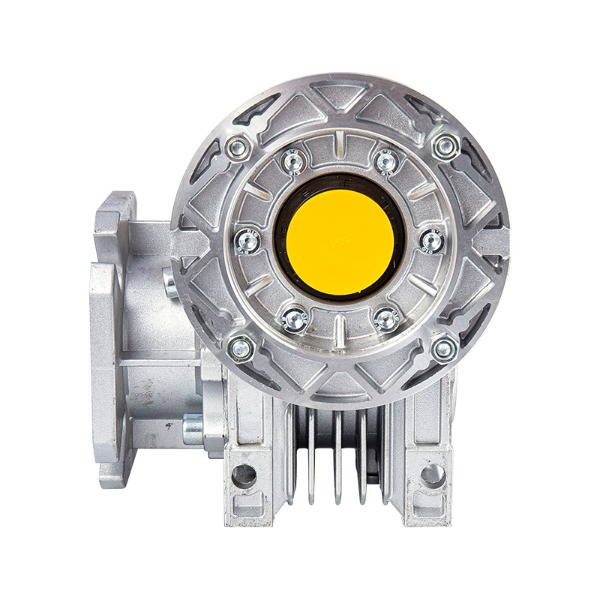
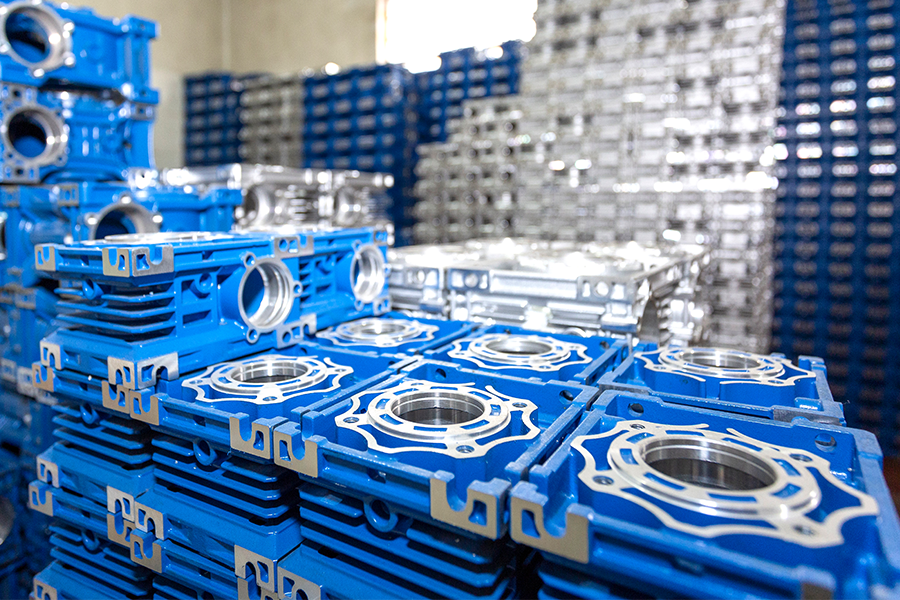
The NMRV NRV double warm gearbox is a prime example of this advanced technology. These gearboxes integrate a two-stage heat dissipation process, where heat is managed through both internal mechanisms and external cooling components. This two-stage process allows the gearbox to maintain optimal operating temperatures even under heavy loads, preventing overheating and ensuring consistent performance.
Traditional gearboxes, while effective at transferring motion and power, often struggle with heat management. Their designs typically rely on passive heat dissipation methods, such as natural convection or simple oil-based lubrication, which can become inadequate under high loads or in systems that require continuous operation.
Heat buildup in traditional gearboxes can lead to several issues, including:
In most cases, traditional gearboxes must be equipped with additional cooling systems, such as oil coolers or air-cooled fins, to help manage heat. These systems can add to the overall size and complexity of the machinery, increasing both the cost and maintenance requirements.
Cooling Mechanisms
Double Warm Gearboxes: Double warm gearboxes, like the NMRV NRV models, are equipped with advanced internal cooling systems that help to dissipate heat more efficiently. These systems reduce the need for external cooling equipment, making the gearbox more compact and easier to integrate into systems without additional cooling hardware.
Traditional Gearboxes: In contrast, traditional gearboxes often rely on simpler internal cooling methods, such as basic lubrication. They may require external cooling systems, which can be bulky and less efficient at handling continuous heat buildup.
Material Efficiency
Double Warm Gearboxes: The materials used in double warm gearboxes are typically engineered to withstand higher temperatures. Advanced alloys and composites are often used to enhance the gearbox’s thermal conductivity and resistance to heat, further improving heat management.
Traditional Gearboxes: Standard gearboxes use less advanced materials that may not handle heat as efficiently. Over time, the internal components may degrade faster, leading to decreased performance and potential failures.
Efficiency and Load Handling
Double Warm Gearboxes: Due to their advanced heat management features, double warm gearboxes maintain a high level of efficiency even under heavy load conditions. The reduced heat buildup means that the gearbox components experience less wear and friction, resulting in a more efficient power transfer.
Traditional Gearboxes: The higher temperatures in traditional gearboxes lead to increased friction, which negatively impacts efficiency. This also accelerates the degradation of key components, leading to potential failures in high-load applications.
Longevity and Maintenance
Double Warm Gearboxes: With better heat dissipation and material handling, double warm gearboxes tend to have a longer lifespan. They require less frequent maintenance, and their durability allows them to withstand harsh operating environments without the risk of thermal damage.
Traditional Gearboxes: The lack of advanced heat management in traditional gearboxes results in higher maintenance costs and shorter lifespans. Excessive heat can lead to the breakdown of lubricants, wearing down of gears, and the need for more frequent repairs or replacements.
| Feature | Double Warm Gearboxes | Traditional Gearboxes |
|---|---|---|
| Cooling Mechanism | Advanced internal cooling systems | Passive cooling or external systems |
| Material Quality | High-temperature resistant alloys | Standard materials |
| Efficiency Under Load | High efficiency, minimal friction | Lower efficiency, increased friction |
| Longevity | Long lifespan, reduced wear | Shorter lifespan, increased wear |
| Maintenance | Reduced maintenance requirements | Higher maintenance costs |
Double warm gearboxes, especially the NMRV NRV models, are well-suited for applications where heat management is a critical factor. These include industries such as:
In conclusion, double warm gearboxes, particularly the NMRV NRV models, provide a significant advantage over traditional gearboxes in terms of heat management. Their ability to dissipate heat more efficiently, use advanced materials, and maintain efficiency under load makes them an excellent choice for high-performance systems. For industries where heat management is a top priority, double warm gearboxes offer a more reliable and cost-effective solution than traditional models.
1. What is the key difference between double warm gearboxes and traditional gearboxes in terms of heat management?
Double warm gearboxes feature advanced internal cooling systems, which allow for better heat dissipation, while traditional gearboxes rely on simpler methods like passive cooling or external systems.
2. Can double warm gearboxes handle higher loads more effectively?
Yes, double warm gearboxes are designed to manage higher temperatures and load conditions, ensuring better efficiency and longevity under heavy use.
3. Are double warm gearboxes more expensive than traditional gearboxes?
While the initial cost may be higher due to advanced materials and cooling systems, double warm gearboxes often reduce overall maintenance costs and extend the life of machinery, providing long-term savings.
4. What industries benefit most from using double warm gearboxes?
Industries such as heavy machinery, automotive, industrial manufacturing, and renewable energy benefit the most from the heat management and efficiency of double warm gearboxes.
5. How does the heat dissipation system in double warm gearboxes differ from traditional gearboxes?
Double warm gearboxes utilize a two-stage heat dissipation system, both internally and externally, while traditional gearboxes often rely on basic lubrication or external cooling systems.

1. What is an NRV Worm Gear Reducer? The NRV worm gear speed reducer is a widely used mechanical device...
View MoreIn the stage of modern industrial precision transmission, Worm Gear Machine Screw Lift has become the cor...
View MoreWhat is worm gear speed reducer A worm gear speed reducer is a reduction transmission device composed of ...
View More1. Introduction to Worm Gear Speed Reducers A worm gear speed reducer is a specialized type of gearbox de...
View More


We value your suggestions and questions. If you have any questions about our products and services, please contact us. We will treat you responsibly and reply to your information as soon as possible.